Understanding How Florida’s New Negligence Laws Impact Your Slip and Fall Claim
If you’ve recently experienced a slip and fall accident in Florida, you’re facing a significantly altered legal landscape. In 2023, Florida dramatically changed its negligence laws, shifting from a pure comparative negligence system to a modified comparative negligence standard with a 51% bar to recovery. This fundamental change directly impacts how slip and fall cases are evaluated, compensated, and even whether injured victims can recover damages at all. The consequences are immediate and substantial for anyone pursuing a premises liability claim, especially if you share any degree of fault for your accident. Understanding these changes is crucial before moving forward with your claim, as they fundamentally alter the compensation framework that has existed in Florida for decades.
Don’t let the complexities of Florida’s new negligence laws trip you up. At Aventis Law, we’re here to help you navigate these changes and fight for the compensation you deserve. Reach out to us today at 904-714-8500 or contact us to discuss your slip and fall case.
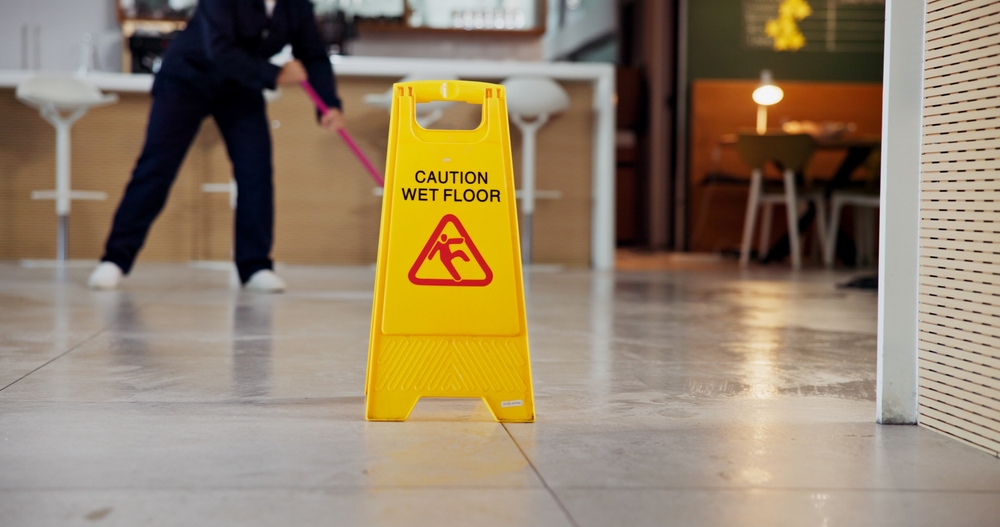
Florida’s New Comparative Negligence Law: What Slip and Fall Victims Need to Know
The new Florida modified comparative negligence standard represents one of the most significant changes to personal injury law in the state’s recent history. Prior to March 24, 2023, Florida operated under a pure comparative negligence system where injured parties could recover damages regardless of their percentage of fault, even if they were 99% responsible for their own injuries. Under that system, the court would simply reduce the compensation proportionally based on the plaintiff’s share of responsibility. Now, under Florida Statute § 768.81, if you’re found to be more than 50% responsible for your slip and fall accident, you’re completely barred from recovering any compensation whatsoever. This creates a critical threshold that can make or break your case. Moreover, even if you’re 50% or less at fault, your compensation will still be reduced by your percentage of responsibility. This dramatic shift places a premium on establishing that the property owner or business bears most of fault for your injuries.
The Critical Timeline: How Negligence Determinations Unfold in Florida Slip and Fall Cases
Understanding the timeline and process of how fault is determined in a slip-and-fall case is essential under Florida’s new comparative negligence framework. Determining fault percentages has taken on heightened importance, as crossing the 50% threshold will completely eliminate your right to compensation. Here’s how the process typically unfolds and what you need to know at each stage:
-
Immediate evidence gathering is more crucial than ever – Florida courts now place greater emphasis on contemporaneous evidence such as incident reports, surveillance footage, and witness statements to establish fault percentages. Research shows that slip and fall cases with photographic evidence taken within 24 hours of the incident are more likely to result in favorable liability determinations.
-
Fault analysis now involves a stricter scrutiny of your actions – insurers will aggressively investigate whether you were texting, wearing inappropriate footwear, ignoring warning signs, or otherwise contributing to your fall. Under the new law, they only need to establish you were 51% at fault to eliminate all compensation.
-
The burden of proving the property owner had “actual or constructive notice” of the dangerous condition remains with you – establishing how long a hazard existed before your fall is critical to proving the owner should have known about it.
-
Expert witnesses have become increasingly important – biomechanical professionals, premises safety professionals, and human factors engineers are being utilized more frequently to scientifically establish fault percentages under the new standard.
-
Settlement negotiations are fundamentally altered – insurers now have stronger leverage to press for lower settlements by threatening to argue you were more than 50% at fault, making experienced legal representation more valuable.
Navigating the New Comparative Negligence Landscape with Skilled Legal Support
Successfully resolving a slip and fall claim under Florida’s new modified comparative negligence standard requires a strategic approach focused on minimizing your assigned percentage of fault. At Aventis Law, we’ve adapted our investigation and case-building methodologies to address the challenges created by this legal shift. The key to maximizing compensation is comprehensive evidence gathering that establishes the property owner’s predominant responsibility. This includes securing all available surveillance footage, obtaining maintenance records showing neglect, identifying building code violations, and finding pattern evidence of similar incidents. The law now places a premium on thorough documentation of all safety hazards and how they violate the property owner’s duty of care. We’re finding that cases that might have resulted in partial compensation under the old system now require significantly more rigorous preparation to overcome the 51% threshold that could bar recovery completely. If you’ve been injured in a slip and fall, understanding these new legal nuances can make the difference between receiving fair compensation and walking away with nothing.
How the 51% Bar Rule Changes Slip and Fall Case Strategies in Florida
The introduction of the 51% bar rule has fundamentally transformed how slip and fall cases must be approached in Florida. This change necessitates a complete rethinking of case preparation, evidence gathering, and litigation strategy. While property owners still owe a duty of care to maintain safe premises, the new law has significantly strengthened their position in settlement negotiations and courtroom proceedings. Injured parties now face a more challenging path to compensation that requires anticipating and countering specific defense tactics that have emerged under the new comparative negligence framework.
Common Defense Tactics Under the New Negligence Standard
Property owners and their insurers have quickly adapted to Florida’s new negligence law by developing aggressive defenses in slip and fall cases to push plaintiff fault above the critical 50% threshold. These tactics include intensive scrutiny of the plaintiff’s footwear, distractions like cell phone use, whether they were carrying items that obstructed their vision, and whether they were in a hurry. We’ve observed a significant increase in defense arguments focusing on a plaintiff’s familiarity with the premises, suggesting that previous visits should have made them aware of potential hazards. Another increasingly common defense involves allegations that the hazard was “open and obvious” – a claim that, if successful, can substantially increase a plaintiff’s portion of fault. Defense attorneys are also investing more heavily in surveillance and social media investigations to find evidence contradicting injury claims or suggesting activities inconsistent with reported limitations.
Specific Impacts on Different Types of Slip and Fall Cases in Florida
Florida’s new comparative negligence law affects various types of slip and fall scenarios differently, with some categories of cases facing more significant challenges than others. Understanding these nuances is essential for properly evaluating your case and developing an appropriate legal strategy. The law’s impact varies substantially depending on where your fall occurred, what caused it, and the specific circumstances surrounding the incident.
Commercial Property vs. Residential Slip and Falls: Different Standards
The modified comparative negligence standard applies different practical standards to commercial versus residential properties. Under Florida law, commercial property owners, such as retail stores, restaurants, and shopping centers, generally face a higher duty of care because they explicitly invite the public onto their premises for business purposes. These establishments must regularly inspect their properties and promptly address potential hazards. However, under the new law, commercial defendants have intensified their focus on customer behavior, particularly distraction and inattention, as paths to establishing greater than 50% fault. For residential slip and falls, such as those occurring at private homes or apartment complexes, the impact of the new law is even more pronounced. Residential property owners can more effectively argue that guests should take greater responsibility for their own safety in a private setting. This distinction is particularly important in cases involving common areas in apartment complexes, where management companies are increasingly arguing that residents should be familiar with the property’s condition and therefore bear greater responsibility for falls.
Statute of Limitations and Timing Considerations Under the New Law
While Florida’s shift to a modified comparative negligence system has altered how fault is determined, it has not changed the fundamental deadlines for filing slip and fall claims. However, the increased complexity of building a case under the new standard makes timely action more important than ever. Understanding the time constraints and acting promptly can significantly impact your ability to recover compensation, especially with the heightened evidentiary requirements needed to overcome the 51% bar to recovery.
Critical Timing Elements That Can Make or Break Your Case
Florida law still provides a two year statute of limitations for slip and fall injury claims, reduced from four years. This means you must file your lawsuit within two years from the date of your accident, or you permanently lose your right to pursue compensation. This shorter window, combined with the new comparative negligence standard, creates additional urgency for proper case development. The timing of evidence collection has become especially critical – surveillance footage that might show the hazardous condition or how long it existed before your fall is often automatically deleted within 30-90 days. Similarly, witness memories fade quickly, and physical evidence of the dangerous condition may be repaired or removed shortly after an incident. Because the new law places such emphasis on establishing that the property owner bears the majority of fault, these early investigation elements have taken on heightened importance. For falls on government property, such as city sidewalks or public buildings, additional notice requirements apply – you must provide formal notice of your claim within three years, and different procedural rules may affect your case.
Frequently Asked Questions
1. How does Florida’s new comparative negligence law specifically affect slip and fall cases in Jacksonville?
Florida’s modified comparative negligence law now prevents recovery if you’re found more than 50% responsible for your slip and fall accident. This represents a major change from the previous system, where you could recover damages regardless of your percentage of fault (though reduced proportionally). For Jacksonville residents, this means that property owners and their insurers are much more aggressive in trying to assign blame to the injured person. For example, if you slip on a wet floor in a Jacksonville grocery store, the defense will scrutinize whether you were distracted, wearing inappropriate footwear, or ignoring warning signs. If they can convince a jury you were 51% or more at fault, you’ll receive no compensation whatsoever – even if you suffered serious injuries requiring extensive medical treatment.
2. When should I contact a premises liability attorney in Jacksonville after a slip and fall accident?
You should contact a Jacksonville premises liability attorney as soon as possible after your slip and fall accident – ideally within days of the incident. Under Florida’s new comparative negligence standard, early evidence gathering is crucial to establishing that the property owner bears the majority of fault. Surveillance footage might be automatically deleted within 30-90 days, witnesses become harder to locate, and hazardous conditions are often quickly repaired. Additionally, statements you make to property owners, managers, or insurance companies in the immediate aftermath can significantly impact how fault is later apportioned. A premises liability attorney can help protect your rights from the start, properly document the accident scene, and build the strongest possible case before evidence disappears.
3. What types of compensation can I still recover under Florida’s new negligence laws for a slip and fall injury?
Under Florida’s modified comparative negligence law, you can still recover the same types of compensation as before, provided you’re found 50% or less responsible for your accident. These damages include: medical expenses (both current and future), lost wages and reduced earning capacity, pain and suffering, permanent disability or disfigurement, and loss of enjoyment of life. However, your compensation will be reduced by your percentage of fault, so if you’re awarded $100,000 but found 40% responsible, you’ll receive $60,000. The critical difference now is that if you’re found 51% or more at fault, you’ll receive nothing, regardless of how severe your injuries or how clear the property owner’s negligence might be for their portion of responsibility.
4. How does Florida’s comparative negligence law apply to slip and falls in different locations, like stores versus private homes?
Florida’s comparative negligence law applies differently depending on where your slip and fall occurred because property owners owe different duties of care based on your status. For businesses like stores, restaurants, and hotels, you’re an “invitee” entitled to the highest duty of care – these establishments must regularly inspect for hazards and provide warnings. For private homes, you’re typically a “licensee” if visiting socially, and the homeowner owes a lesser duty to warn only about known dangers that aren’t obvious. Under the new law, this distinction becomes even more important because fault percentages determine whether you can recover at all. Falls in commercial settings generally have a stronger starting position because of the higher duty of care, while residential falls face greater challenges in establishing that the homeowner bears the majority of fault.
5. What evidence is most important to collect after a slip and fall accident under Florida’s new liability laws?
Under Florida’s modified comparative negligence law, evidence that establishes the property owner bears more than 50% of the fault has become absolutely critical. The most valuable evidence includes: photographs of the exact condition that caused your fall before it’s cleaned up or repaired; names and contact information of witnesses who saw the fall or the hazardous condition; incident reports filed with the business or property owner; surveillance video (request preservation immediately as it may be deleted within days); medical records documenting your injuries and treatment immediately after the fall; and documentation showing how long the hazardous condition existed (crucial for establishing “constructive notice”). Additionally, preserve the shoes you were wearing as defense attorneys often try to blame inappropriate footwear as a way to increase your percentage of fault above the critical 50% threshold.
Work with a Slip and Fall Lawyer
Florida’s shift to a modified comparative negligence standard has transformed slip and fall litigation in fundamental ways that demand extensive legal knowledge. At Aventis Law, we’ve adjusted our approach to address these new challenges head-on, focusing on comprehensive evidence gathering and strategic case development specifically designed to keep client fault percentages below the critical 50% threshold. Our attorneys thoroughly investigate each case, working with premises safety officials, gathering surveillance footage, identifying building code violations, and establishing clear timelines of when hazards developed and who should have addressed them. If you’ve been injured in a slip and fall accident, the decisions you make immediately afterward will significantly impact your ability to recover compensation under these new legal standards. By consulting with a knowledgeable slip and fall lawyer who understands the nuances of Florida’s comparative negligence law, you can ensure your rights are protected and pursue the compensation you deserve for your injuries, medical expenses, lost wages, and pain and suffering.
Don’t let the intricacies of Florida’s new negligence laws leave you in a bind. Aventis Law is ready to guide you through these changes and advocate for the compensation you deserve. Give us a ring at 904-714-8500 or contact us to discuss your slip and fall case today.